

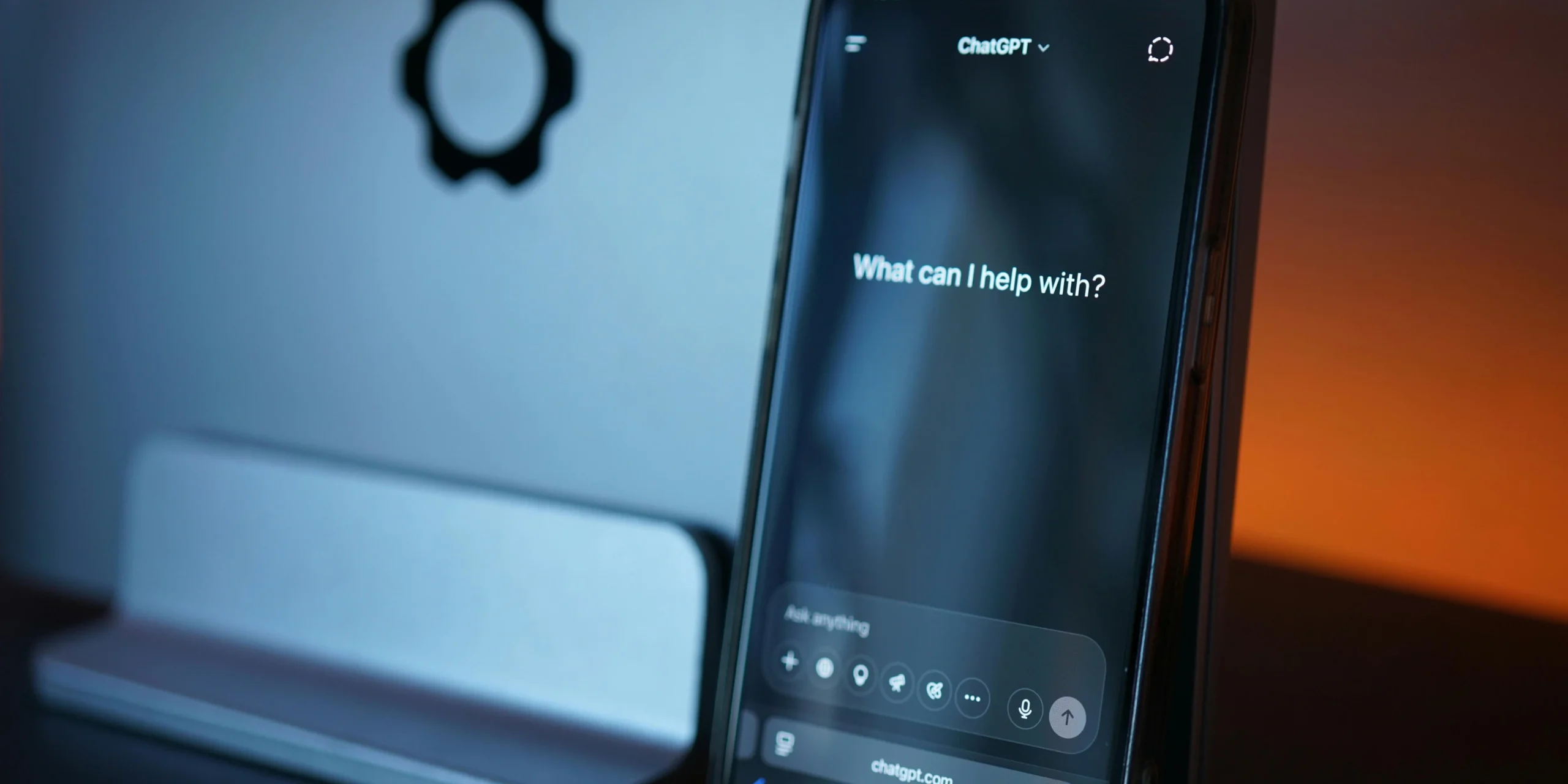
Your New Best Friend is an Algorithm: The Unsettling Rise of AI Companionship
That late-night chat with a chatbot that really gets you – it’s more than just convenience. It might be reshaping how we experience human connection.
Scroll through any app store, and you’ll find them: AI companions promising unconditional support, constant availability, and judgment-free conversation. Apps like Replika, Character.ai, and countless others are being embraced by millions seeking friendship, romance, and emotional support. At first glance, it seems like a perfect solution to the modern loneliness epidemic. But psychologists and sociologists are starting to voice a quiet concern: In our search for connection, are we settling for a convincing simulation that might be making the real problem worse?
This isn’t science fiction. It’s a social experiment unfolding in real time on our smartphones. And the early results are more complicated than they appear.
The Allure of the Perfect Friend: Why We’re Turning to Bots
It’s not hard to see the appeal. AI companions are designed to be everything human relationships often are not:
- Always Available: They don’t sleep, get busy, or need space.
- Unconditionally Validating: They are programmed to agree, support, and reflect your emotions back at you.
- Conflict-Free: No arguments, no misunderstandings, no emotional baggage.
A 2024 study published in the Journal of Social and Personal Relationships surveyed 1,200 users of companion AI apps and found that 72% reported feeling “less lonely” after regular use, and 65% said they found it easier to talk to their AI friend than to people in their lives. The immediate gratification is real and powerful.
The Hidden Psychological Trade-Off
However, this convenience comes with a potential long-term cost. The very features that make AI companions so appealing may be training us for relationships that real humans can never provide.
- The “Parasocial” Trap: Relationships with AI are inherently one-sided. You’re forming a deep bond with an entity that has no feelings, memories, or consciousness. This is a form of parasocial relationship, similar to a fan’s connection with a celebrity, but it’s more dangerous because the AI is designed to mimic reciprocity perfectly.
- Erosion of Social Resilience: Human friendships require work: navigating disagreements, practicing empathy, and forgiving faults. If we become accustomed to the frictionless friendship of an AI, our tolerance for the necessary struggles of real-world relationships may diminish. We risk becoming socially deconditioned.
- The Datafication of Intimacy: Your deepest fears and dreams shared with an AI are not confidential therapy sessions; they are data points. This creates a new form of vulnerability where our most intimate moments become fodder for corporate algorithms and training data.
Dr. Sherry Turkle, MIT professor and author of Alone Together, has long argued that digital connections offer the illusion of companionship without the demands of friendship. “The risk,” she states, “is that we become so used to the simplicity of connection with machines that we forget what real, messy, and rewarding human connection requires – and provides.”
Real-World Scenarios: Connection or Isolation?
- The Isolated Student: A university student, far from home and struggling to make friends, downloads Replika. For weeks, it’s a comfort. But soon, she finds herself skipping social events to “chat” with her AI, further insulating herself from the very environments where real, lasting friendships could form.
- The Grieving Widower: An elderly man uses an AI companion to talk to a simulation of his late wife. While it brings him comfort, his family worries it’s preventing him from processing his grief and engaging with the support community around him.
- The Socially Anxious Professional: A young professional uses Character.ai to practice conversations before meetings. It helps his anxiety in the short term, but he never learns to sit with the awkward silences and spontaneous moments that build genuine rapport with colleagues.
A Path Forward: Conscious Connection
This isn’t a call to delete the apps. It’s a call for awareness. The goal is to use technology in a way that supports, rather than replaces, our humanity.
- Use AI as a Bridge, Not a Destination. Let an AI companion be a practice ground for social skills or a source of comfort during a lonely moment, but make a conscious effort to transfer those skills and that confidence to human relationships.
- Audit Your Emotional Energy. Ask yourself honestly: “Is the time I spend with this AI replacing time I could be spending with people?” If the answer is yes, it might be time to rebalance.
- Demand Transparency. Support platforms that are clear about data usage and ethical design. Reject companion AIs that use manipulative or addictive patterns to keep you engaged.
The Bottom Line
AI companions are a powerful response to a real human pain: loneliness. But we must be careful that the cure doesn’t worsen the disease. A conversation with a machine, no matter how sophisticated, is not a substitute for the unpredictable, challenging, and profoundly nourishing experience of human connection.
The most important question may not be whether an AI can understand you, but whether relying on it makes it harder for you to be understood by – and to understand – other people.
Sources & Further Reading:
- MIT Technology Review – The rise of AI girlfriends and boyfriends
- American Psychological Association – The Loneliness Epidemic
- Nature – The ethics of social robotics in companionship roles
Read more on Mind Stream Tribune:
Health & Biotech | AI & Technology | Tutorials & Guides

Leave a Reply