

But not without pressing ethical questions
Artificial intelligence is no longer confined to tech labs – it is entering hospitals, clinics, and even the smartphones in our pockets. From detecting cancers earlier than radiologists to tailoring treatments for individual patients, AI is poised to become medicine’s most powerful ally. According to a 2024 McKinsey report, AI adoption in U.S. healthcare could create annual savings of up to $360 billion through improved efficiency, faster diagnoses, and reduced administrative costs. Yet the revolution is not without its challenges: questions of bias, data privacy, and accountability loom large. Can algorithms truly be trusted with life-and-death decisions? This article examines how AI is being used today, where it might lead tomorrow, and what it means for patients, doctors, and society at large.
What is AI in Healthcare?
Artificial intelligence in healthcare refers to the use of machine learning, deep learning, and natural language processing tools to analyse complex medical data. Unlike traditional software, AI systems continuously learn from patterns, adapt over time, and make predictions – often performing specific diagnostic tasks at or above the level of human experts.
For example, IBM’s Watson Health (though not without setbacks) demonstrated how AI can synthesize vast amounts of medical literature in seconds. Meanwhile, Google DeepMind’s AI model for breast cancer detection reduced false positives by 5.7% and false negatives by 9.4% in U.S. trials, showing the tangible benefits of algorithmic analysis.
Current Applications: From Radiology to Virtual Nursing
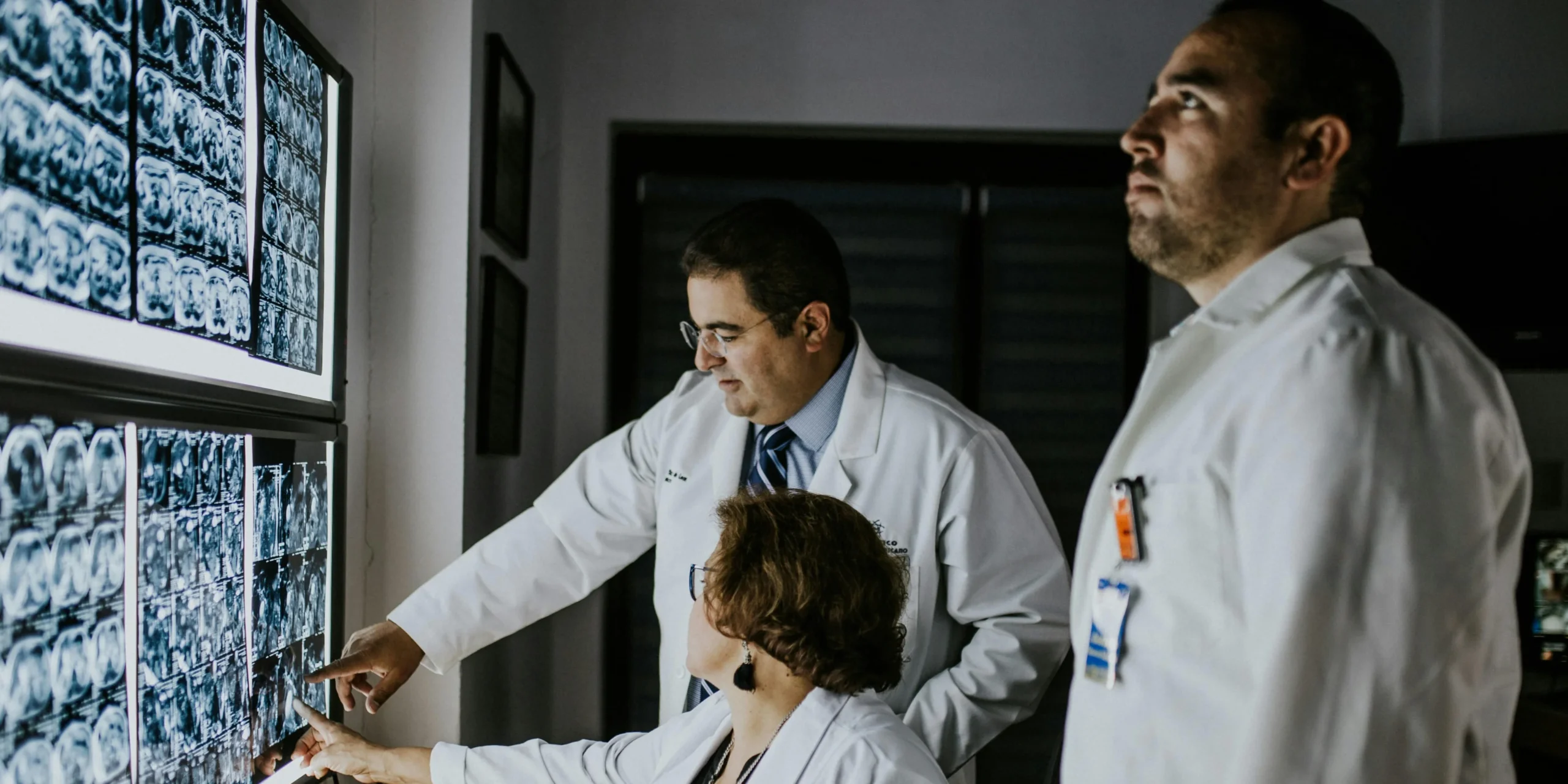
- Medical Imaging: AI systems like PathAI and Zebra Medical Vision are enhancing radiology by detecting lung diseases, cancers, and neurological disorders with remarkable precision.
- Virtual Nursing Assistants: Sensely and similar platforms provide 24/7 patient support, answering routine medical questions and reducing hospital readmissions.
- Drug Discovery: AI accelerates pharmaceutical research by predicting molecule interactions, cutting development time from years to months. A 2023 MIT study found that AI models reduced early-stage drug discovery costs by up to 30%.
- Predictive Analytics: Hospitals are using AI to predict patient deterioration and optimize staff allocation, improving survival rates in critical care.
Benefits & Opportunities
- Early Detection: AI can spot diseases such as diabetic retinopathy and breast cancer at earlier stages, when treatment is most effective.
- Operational Efficiency: Automating administrative tasks like billing and patient record management could save clinicians up to 20% of their time, according to the American Medical Association.
- Personalized Medicine: AI analyses genetic data to recommend tailored treatments, heralding a new era of precision healthcare.
- Global Reach: In regions with limited doctors, AI-powered diagnostic apps provide access to basic healthcare where human expertise is scarce.
Challenges & Ethical Concerns
Despite its promise, AI raises pressing questions: – Bias in Data: If training data lacks diversity, AI may misdiagnose patients from underrepresented groups. A Stanford study (2023) highlighted disparities in dermatological AI tools, which underperformed on darker skin tones.
– Privacy: A 2025 Pew Research study revealed that 61% of Americans worry about AI companies accessing their health data without proper consent.
– Accountability: If an AI system misdiagnoses a patient, responsibility is murky – should it fall on the developer, the hospital, or the physician who used it?
– Trust: Patients may be reluctant to accept AI-driven care unless transparency and explainability are prioritized.
Future Outlook: Human-AI Collaboration
AI is unlikely to replace doctors – rather, it will augment them. The future lies in collaboration, where machines handle data-heavy tasks while physicians focus on empathy, communication, and complex decision-making.
Emerging innovations such as brain-computer interfaces (Neuralink and others) and AI-driven prosthetics point toward a future where healthcare is not only about treatment but also enhancement – restoring lost functions or even expanding human capabilities.
Practical Takeaways
- For Patients: Expect earlier, more accurate diagnoses and personalized care in the coming decade.
- For Medical Professionals: Continuous learning about AI tools will be essential for career growth.
- For Policymakers: Stronger regulation on data privacy and AI accountability frameworks are urgently needed.
Conclusion
AI in healthcare is no longer a distant promise; it is a present reality reshaping how we diagnose, treat, and care for patients. The technology offers unprecedented opportunities – from saving lives with earlier detection to cutting billions in costs – but these benefits come with weighty ethical challenges. Ensuring fairness, protecting patient data, and defining responsibility will determine whether AI becomes healthcare’s greatest tool or its most troubling risk. As AI continues to advance, the real question is not whether it will change medicine, but how responsibly we allow it to do so.


Leave a Reply