

Why It Matters
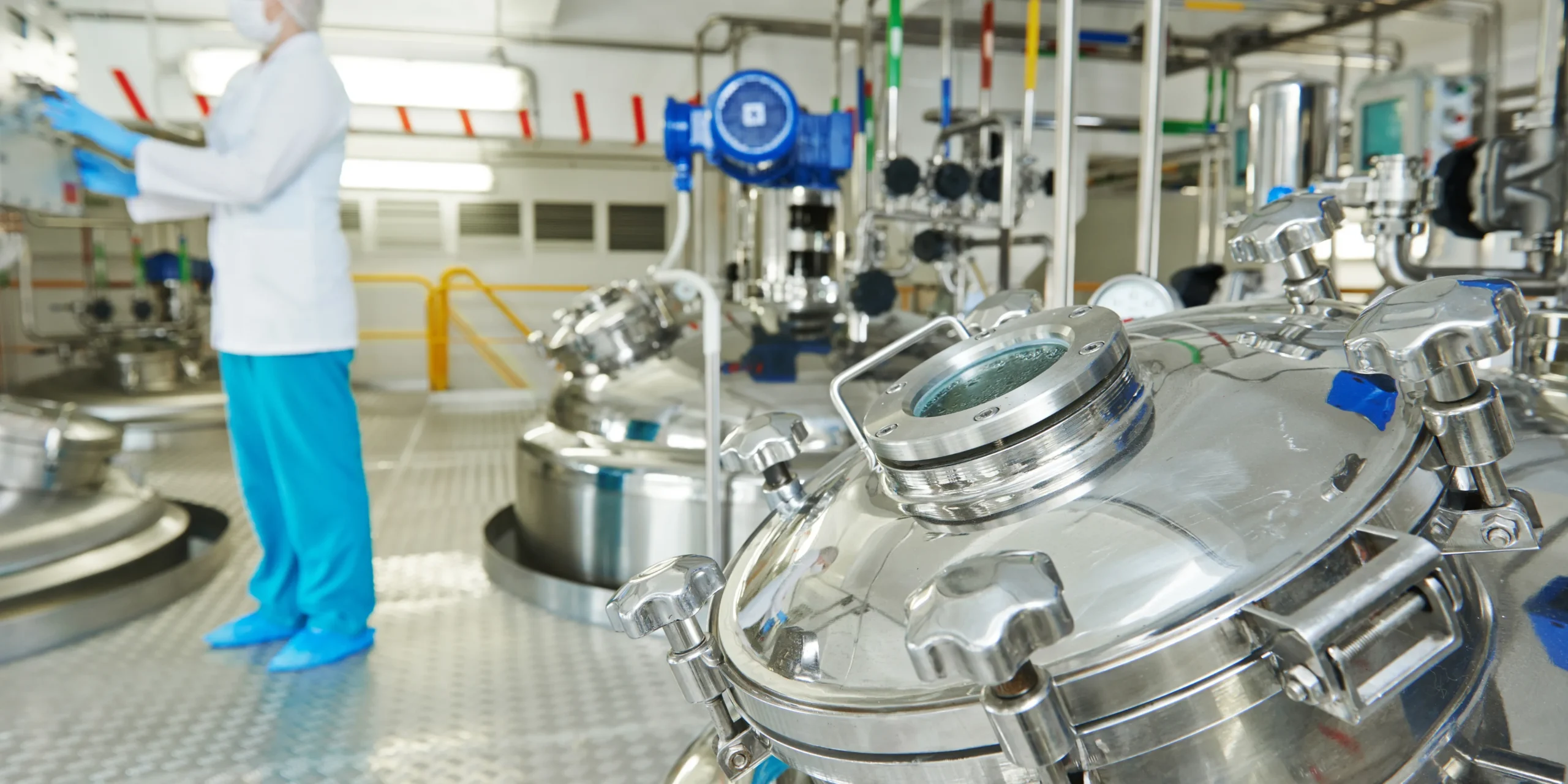
The narrative of AI has been dominated by large language models and digital content creation. Yet, the most profound – and economically significant – revolution may be occurring not in the virtual world, but in the physical one: the manufacturing of biological products. New analysis suggests that AI-optimized industrial biomanufacturing represents a $3.78 trillion opportunity by 2030, positioning it as the next frontier for scalable, high-impact AI deployment. This shift promises to redefine supply chains, increase access to critical therapeutics, and challenge the global economic status quo.
The Current Landscape: Inefficiency at Scale
Traditional biomanufacturing – the process of using living cells to produce everything from insulin to biofuels – is notoriously complex and inefficient. It relies on a delicate balance of biological variables (temperature, pH, nutrient levels) that have historically been managed through painstaking, human-led trial and error. A single batch failure can result in millions of dollars in losses and critical shortages of life-saving drugs.
The sector’s challenges are a textbook case for AI intervention:
- Vast, Multimodal Datasets: Bioreactors generate terabytes of process data.
- Non-Linear Systems: Biological pathways are imperfectly understood and highly variable.
- High Stakes: Outcomes have direct consequences for human health and global supply chains.
How AI is Unlocking the Bioreactor
Artificial intelligence, particularly machine learning and generative models, is moving from the lab to the factory floor, transforming this unpredictability into a manageable engineering discipline.
1. Predictive Process Optimization
AI algorithms can now analyze real-time sensor data from fermentation processes to predict cell growth, metabolite production, and potential contamination hours before they occur. This allows for automated, preemptive adjustments that maximize yield and eliminate costly batch failures. Companies like Ginkgo Bioworks are leveraging this approach to design more efficient microbial strains and production processes for partners in pharmaceuticals and agriculture.
2. Generative AI for Strain Design
Beyond optimizing existing processes, AI is being used to design the biological systems themselves. Generative AI models can propose novel enzyme designs or genetic pathways for microbes to produce specific molecules, drastically accelerating the R&D timeline from years to months. This is critical for rapidly developing everything from new vaccine platforms to sustainable alternatives to petrochemicals.
3. Autonomous Operation and Scale-Up
The ultimate goal is the fully autonomous “self-driving” bioreactor. These AI-piloted systems can manage the entire production cycle, continuously learning from each batch to improve the next. This not only boosts efficiency but also solves the industry’s “scale-up” problem – the difficulty of moving a process from a small lab bench to a 10,000-gallon industrial tank without losing performance.
The $3.78 Trillion Breakdown
This projected value is not merely from selling more products. It is derived from a fundamental rewiring of production economics across multiple sectors:
- Pharmaceuticals & Therapeutics: Accelerated production of mRNA vaccines, gene therapies, and monoclonal antibodies, reducing costs and improving access.
- Sustainable Materials: Cost-competitive production of bio-based plastics, textiles, and chemicals, disrupting the petrochemical industry.
- Food & Agriculture: Scaling alternative proteins and precision-fermented ingredients to build a more resilient food system.
- Economic Multipliers: New high-skill jobs in bio-AI integration, revitalized manufacturing hubs, and reduced environmental externalities.
Challenges & Ethical Considerations
This transition is not inevitable. Significant hurdles remain.
- Regulatory Hurdles: Agencies like the FDA operate on paradigms built for static, well-defined processes. Approving drugs produced by a constantly learning, AI-driven system will require new regulatory frameworks focused on real-time quality assurance and algorithmic transparency.
- Workforce Transition: The biomanufacturing workforce must evolve from manual process operators to AI-savvy bio-process engineers, necessitating massive investment in retraining and education.
- Concentration of Power: The high cost of AI infrastructure and data acquisition could consolidate advanced biomanufacturing capabilities within a few large corporations, raising concerns about market monopolies and supply chain fragility.
- Biological Security: The same tools that accelerate the production of medicines could lower the barrier to engineering pathogens, demanding robust international governance around cyber-biosecurity.
Key Takeaways for Stakeholders
- For Industry Leaders: The competitive advantage will shift from who can discover a molecule to who can manufacture it most reliably and at scale. Partnerships with AI software firms are becoming a strategic necessity, not an IT expense.
- For Policymakers: National investment in bio-AI infrastructure is a new arms race for economic sovereignty. Legislators must fund pilot facilities and modernize regulatory agencies to handle dynamic manufacturing processes.
- For Investors: The value will accrue to platforms that integrate biological design, manufacturing, and AI optimization into a seamless service – the “AWS for biomanufacturing.”
- For the Public: This technological shift promises more stable supplies and lower costs for essential medicines and sustainable goods, but demands public engagement to ensure its benefits are distributed equitably.
For more analysis on the technologies shaping our future, explore our coverage in AI & Technology and Health & Biotech.
Sources
- McKinsey Global Institute – “The Bio Revolution: Innovations transforming economies, societies, and our lives” (Market sizing and economic impact analysis).
- Ginkgo Bioworks – Platform Overview (Case studies on AI-driven strain design and optimization).
- National Institute of Standards and Technology (NIST) – Advanced Manufacturing Initiatives (Framework for smart manufacturing standards).
- The FDA’s Emerging Technology Program – Official Website (Insight into regulatory adaptation for advanced manufacturing).
- Nature Biotechnology – “AI in bioprocess development and manufacturing” (Peer-reviewed analysis of AI applications in scale-up).


Leave a Reply