

Introduction
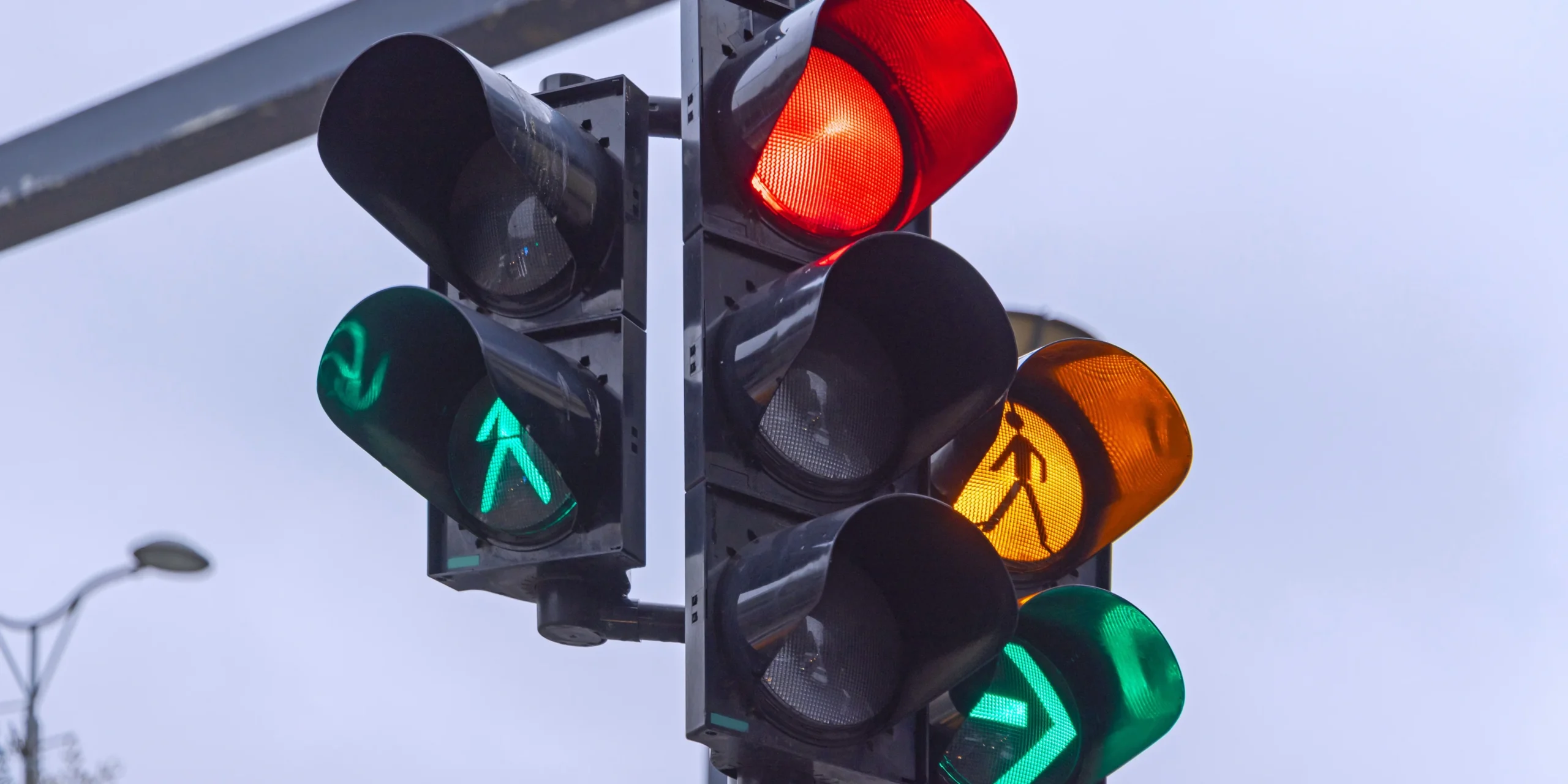
Traffic congestion costs the U.S. economy an estimated $81 billion annually in lost productivity, fuel waste, and environmental damage (INRIX Global Traffic Scorecard, 2024). Traditional traffic lights run on fixed schedules, unable to adapt to real-time conditions. Enter AI-powered traffic systems: intelligent infrastructure that uses machine learning, sensors, and connected vehicle data to optimize flow dynamically.
Cities from Los Angeles to Singapore are beginning to deploy these systems, betting that smarter intersections can cut commute times, reduce emissions, and improve road safety.
Applications
- Adaptive Traffic Signals: Using AI to adjust green-light duration based on congestion patterns, weather, or emergencies.
- Connected Vehicles: Cars share speed and location data with infrastructure, allowing for predictive traffic management.
- Incident Detection: AI systems can detect accidents or breakdowns faster than human operators.
- Public Transit Prioritization: Giving buses priority at intersections to encourage mass transit adoption.
- Pedestrian & Cyclist Safety: Computer vision detects non-vehicle road users and adjusts signal timing accordingly.
Benefits
- Reduced Congestion: Early pilots in Pittsburgh found AI-powered lights cut travel times by up to 25% and emissions by 20%.
- Lower Emissions: Fewer idling cars mean reduced carbon and particulate pollution.
- Cost Savings: Less wasted fuel and reduced infrastructure wear.
- Enhanced Safety: Faster response to incidents reduces secondary accidents.
Challenges & Ethics
- Data Privacy: AI traffic systems rely heavily on cameras and vehicle tracking, raising surveillance concerns.
- Cost & Implementation: Upgrading old infrastructure is expensive and politically sensitive.
- Cybersecurity Risks: AI-controlled signals could be vulnerable to hacking.
- Equity Issues: Prioritization algorithms may favor certain districts or commuter groups unless carefully designed.
Outlook
By 2030, over 40% of major cities worldwide are expected to integrate AI-driven traffic systems (MarketsandMarkets, 2025). Experts predict these systems will eventually link with autonomous vehicles, creating “smart corridors” where cars, buses, and signals all coordinate in real-time.
While the vision is compelling, the transition will be uneven. Cities with aging infrastructure may lag, while tech-forward hubs like Singapore, Dubai, and Seoul could serve as models.
Practical Takeaways
- For Commuters: Expect smarter intersections in major cities within the decade.
- For Policymakers: Balancing efficiency, privacy, and equity will be the greatest challenge.
- For Industry: AI traffic platforms represent a lucrative opportunity for tech firms and startups.
- For the Environment: Smarter roads could play a key role in meeting urban climate targets.






Leave a Reply