

A Bold Promise in Modern Medicine
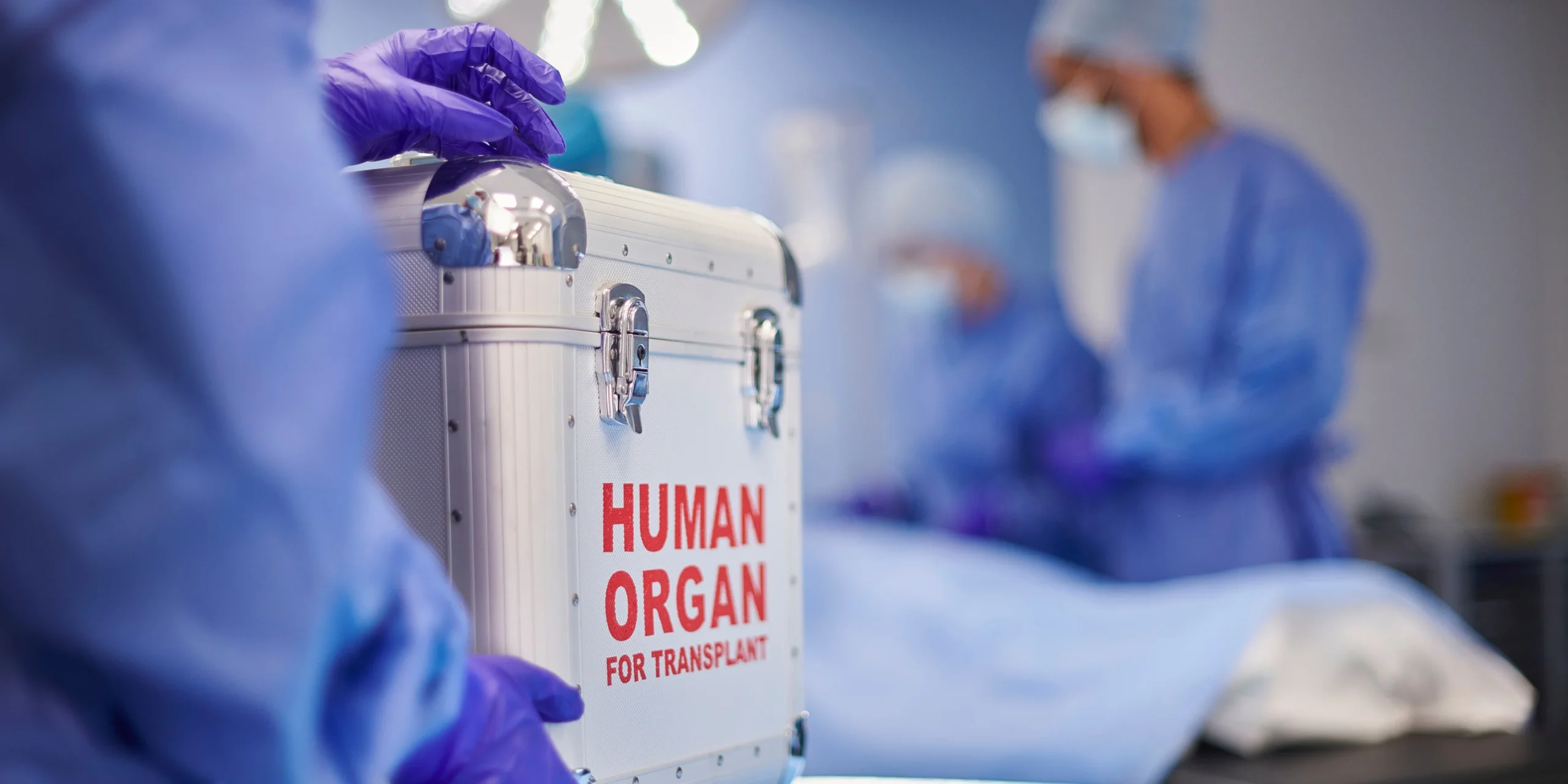
Every year, thousands of patients die waiting for organ transplants. In the U.S. alone, over 100,000 people are on the national transplant waiting list, and 17 die each day without receiving organs (growthplusreports.com). For decades, medicine has struggled with this shortage. A new technology – bioprinting – is offering hope. By using 3D printing methods with living cells, researchers are working toward a future where replacement organs can be “printed on demand.”
What It Is: Printing with Life Itself
Bioprinting builds on 3D printing, but instead of plastics or metals, it uses bio-inks made from living cells and biomaterials. These materials are deposited layer by layer to form tissues that mimic natural organs (intellectmarkets.com, Wikipedia). The ultimate goal: creating fully functional, transplantable human organs.
Applications Already in Motion
- 3D-Printed Tissues for Testing: Companies like Organovo produce bioprinted human tissues to accelerate preclinical drug testing, reducing animal use and improving predictive accuracy (Wikipedia).
- Skin and Cartilage Printing: Bioprinted skin grafts for burn patients and cartilage implants are now undergoing clinical study.
- Mini-Organs (Organoids): Researchers have printed miniature liver, kidney, and heart models to study disease mechanisms and test new treatments.
- Toward Whole Organs: In 2022, scientists at Tel Aviv University printed a tiny heart containing blood vessels, ventricles, and chambers using a patient’s own cells – though it isn’t yet functional as a pump (Wikipedia, Reddit).
Benefits: Why Bioprinting Matters
- End Donor Shortages: Organs could be printed on demand.
- Personalized Medicine: Using patient’s own cells reduces rejection risk.
- Faster Recovery: Better compatibility = fewer complications post-surgery.
- Research Acceleration: Disease models built via bioprinting can speed up therapeutic discovery.
The global 3D bioprinting market, valued at about USD 2.3 billion in 2023, is projected to nearly double – reaching USD 5.3–5.4 billion by 2030, with a CAGR of around 12–13% (grandviewresearch.com, intellectmarkets.com, globenewswire.com). More conservative growth estimates still suggest a CAGR between 12% and 15% (marketsandmarkets.com, growthplusreports.com, mordorintelligence.com).
Challenges and Ethical Questions
Despite progress, there are clear hurdles:
- Structural Complexity: Human organs have intricate architecture – achieving required vascular and structural fidelity remains a challenge (Wikipedia).
- Vascularization: Printing functional blood vessel networks is critical and technically unresolved.
- Regulatory Questions: Safety and efficacy testing are still evolving; ethical frameworks also remain under discussion (Wikipedia).
- Access and Fairness: Ensuring equitable access to these advanced therapies, not just for the affluent, is an urgent concern.
The Outlook
The timeline for fully functional, transplantable 3D-printed organs is still open to debate – optimistic voices suggest under 20 years, while cautious experts predict longer. But progress continues:
- The U.S. ARPA-H’s PRINT program (2024) is funding efforts to 3D-print immune-matched organs – such as hearts, livers, and kidneys – on demand (Reddit).
- On the commercial side, the FDA cleared PrintBio’s 3DMatrix, the first resorbable surgical mesh made via bioprinting, in December 2024, marking regulatory momentum for additive biomedical devices (mordorintelligence.com).
Bioprinting may one day redefine how we heal – moving from “fixing” the body to rebuilding it.
Practical Takeaways
- For Patients: Tissues like cartilage and skin may arrive before whole organs.
- For Medical Professionals: Bioprinting tools are becoming mainstream in labs and research.
- For Policymakers: Early policy and regulation will determine how safe and equitable the future of printed organs will be.






Leave a Reply