

Introduction
For decades, quantum computing has been framed as the “next big thing” in technology – powerful, mysterious, and always a few years away. But in 2025, the narrative is shifting. With tangible progress in hardware, partnerships between academia and industry, and billion-dollar investments, quantum computing is moving from theory to practice. The question is no longer if it will matter, but how soon it will reshape everyday life.
What It Is
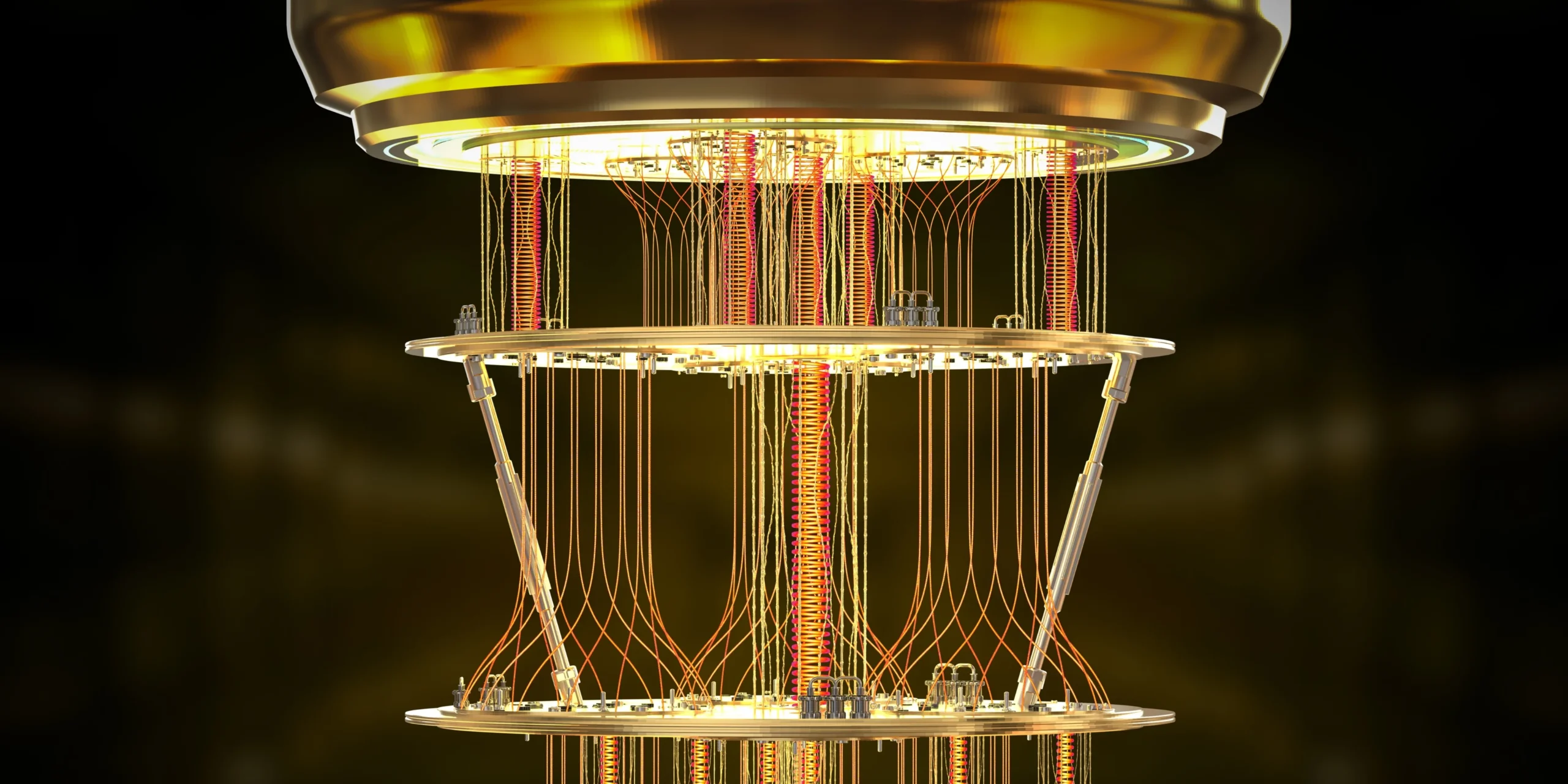
Unlike classical computers, which process information in bits (0s and 1s), quantum computers use qubits, capable of existing in multiple states simultaneously through quantum superposition. This allows them to handle certain calculations at speeds unattainable by classical systems. While today’s quantum machines remain error-prone and specialised, their rapid evolution signals a future where they can tackle real-world problems.
Breakthroughs in 2025
- Google’s Quantum AI Division announced in late 2024 that its quantum processor outperformed a classical supercomputer on a practical benchmark problem – a milestone in narrowing the “quantum advantage” gap. [Source: Nature, 2024]
- IBM launched Condor, a 1,121-qubit quantum processor in 2024, marking the largest quantum chip to date, with plans for commercial applications by 2026. [Source: IBM Research]
- Microsoft and Quantinuum unveiled hybrid algorithms combining quantum and classical computing, particularly useful in materials science and drug discovery.
- Startups like PsiQuantum and Rigetti Computing are racing to deliver fault-tolerant quantum systems within the decade, drawing billions in venture capital.
Applications for Everyday Tech
- Healthcare: Quantum models could speed up drug discovery by simulating molecular interactions more efficiently than classical methods.
Example: Identifying new antiviral compounds in weeks instead of years. - Finance: Banks such as JPMorgan Chase are piloting quantum algorithms to optimise portfolio risk and detect fraud patterns.
- Logistics: Quantum computing can streamline global supply chains by calculating optimal shipping routes in real time.
- Cybersecurity: Quantum’s dual edge – it threatens classical encryption but also promises quantum-safe cryptography. In 2024, NIST released draft standards for post-quantum cryptography to prepare for this shift.
- Artificial Intelligence: Quantum-enhanced machine learning could handle vast, complex datasets more efficiently, boosting areas like natural language processing and climate modelling.
Benefits
- Unprecedented Computational Power: Problems once deemed “unsolvable” become feasible.
- Cross-Industry Impact: From medicine to clean energy, breakthroughs could accelerate innovation.
- New Security Standards: Preparing for the post-quantum era will strengthen global cybersecurity.
Challenges & Ethics
- Error Rates: Quantum machines remain fragile, with error correction being a significant bottleneck.
- Accessibility: Most organisations can’t afford quantum hardware – access will likely be via cloud services.
- Geopolitical Competition: The U.S., China, and EU are in a race for quantum dominance, raising national security concerns.
- Ethical Risks: The ability to break current encryption systems poses risks for privacy and data security.
Outlook
By 2030, experts expect the first fault-tolerant quantum computers to emerge, capable of tackling commercially relevant problems. While we are not yet at the stage of having a “quantum laptop” on every desk, the ripple effects of research and industry investment are already being felt. For businesses and governments, preparing for a quantum-ready future is less about if and more about when.
Practical Takeaways
- Businesses should begin assessing quantum readiness, particularly in cybersecurity and data management.
- Students and professionals in STEM fields may find growing opportunities in quantum software engineering.
- For the average consumer, change will come indirectly – better medicines, smarter logistics, more secure online transactions.






Leave a Reply