

Introduction
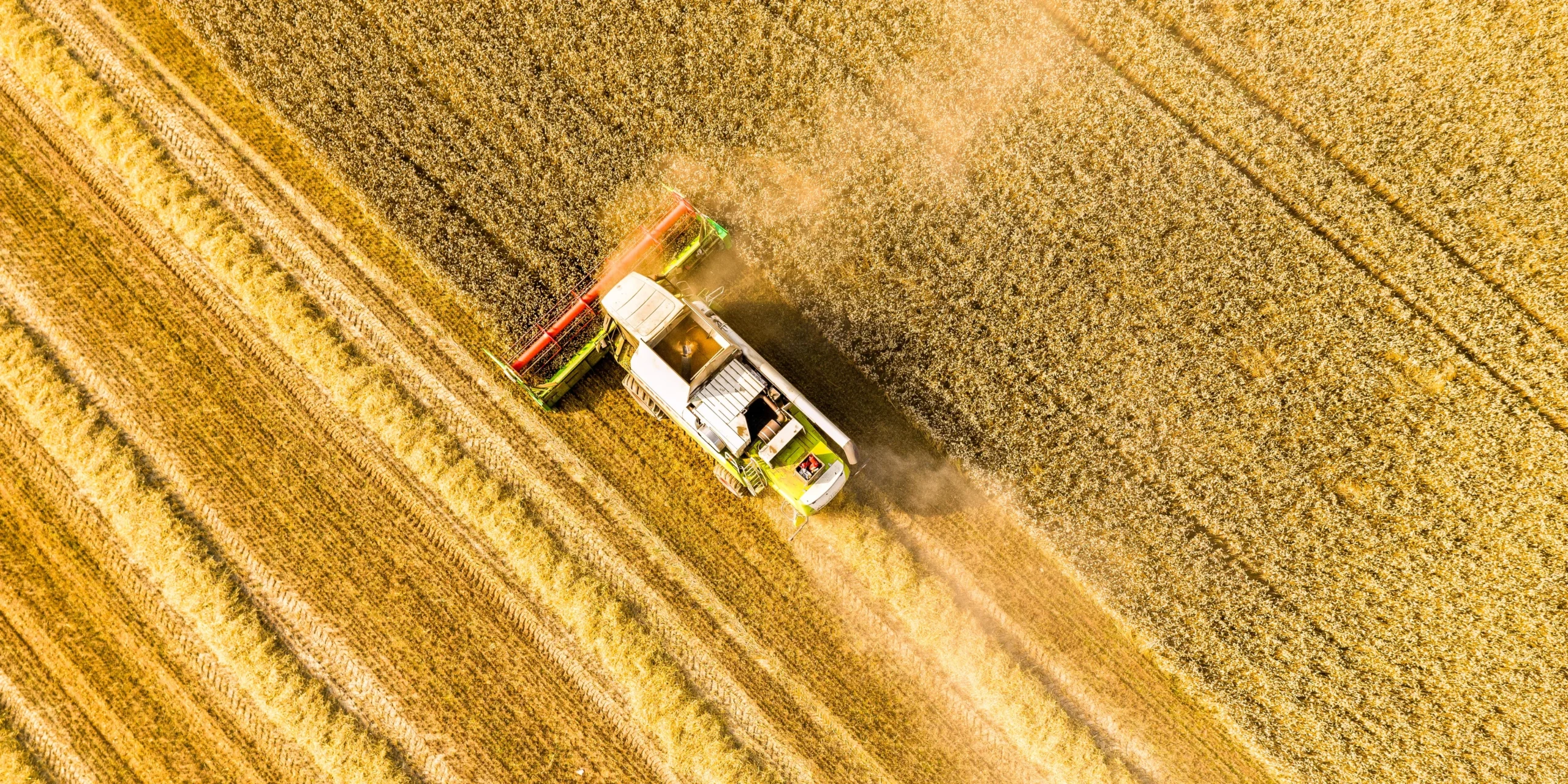
Agriculture is entering a new chapter, powered not by oxen or tractors but by intelligent machines. Agricultural robotics – a field blending automation, AI, and precision engineering – is transforming how we grow food. From autonomous tractors that plow fields without drivers to drones that monitor crop health, and robotic arms that harvest fruits with remarkable precision, farming is no longer just manual labour; it’s becoming a high-tech endeavour.
Applications
Robotics in agriculture is already seeing real-world deployment:
- Autonomous Tractors: John Deere unveiled its first fully autonomous tractor at CES 2022, which entered commercial use in 2024, giving farmers remote-control farming capabilities.
- Crop Monitoring Drones: Companies like DJI and Sentera are enabling aerial imaging that helps farmers detect pests, water stress, and nutrient deficiencies early.
- Harvesting Robots: Agrobot in Spain has deployed robotic strawberry pickers capable of working 24/7, reducing reliance on seasonal labour.
- Weeding Robots: Blue River Technology (acquired by John Deere) has developed robots that use computer vision to selectively spray herbicides, cutting chemical use by up to 90%.
Benefits
The advantages are compelling:
- Increased Yields: Precision farming techniques enabled by AI and robotics can boost productivity by up to 25%, according to the Food and Agriculture Organization (FAO).
- Labour Shortage Relief: With agricultural labour declining globally, robots fill critical gaps in harvesting and monitoring.
- Environmental Gains: Smarter spraying, targeted irrigation, and data-driven soil analysis reduce waste, water use, and chemical runoff.
- Scalability: Automation allows farms to expand operations without proportional increases in human labour.
Challenges and Ethical Questions
Yet, robotics in farming is not without friction:
- High Costs: Autonomous harvesters can cost upwards of $250,000, making them inaccessible for small and mid-size farmers.
- Job Displacement: Rural employment, especially seasonal work, faces disruption, raising socio-economic questions.
- Tech Dependency: As farming becomes digitized, dependence on corporate software ecosystems may concentrate power in a few companies.
- Adaptability Issues: Soft fruits and diverse crops remain difficult for robots to harvest without damage.
Outlook
The world’s population is projected by the UN to reach 9.7 billion by 2050, increasing food demand by nearly 70%. Robotics may hold the key to bridging that gap sustainably. Analysts predict the agricultural robotics market will grow from $13 billion in 2025 to nearly $40 billion by 2030 (MarketsandMarkets). While early adoption is concentrated in wealthier nations, emerging economies are beginning to integrate drone monitoring and low-cost automation for staple crops.
The bigger question remains: will robotics lead to more equitable food systems, or will it widen the gap between industrial agriculture and smallholder farmers?
Practical Takeaways
- For Farmers: Early adoption of drones and precision irrigation systems can provide affordable entry points into agricultural robotics.
- For Policymakers: Subsidies and open-source platforms could democratize robotics access and prevent monopolization.
- For Consumers: Expect more sustainably grown, robot-assisted produce to enter mainstream supply chains within the decade.
Robots in agriculture are not science fiction. They’re already reshaping fields across continents – quietly, efficiently, and inevitably.
Sources
- FAO. How to Feed the World in 2050. fao.org
- John Deere Autonomous Tractor. CES 2022 Launch & 2024 Rollout. deere.com
- Agrobot. Robotic Harvesting Solutions. agrobot.com
- MarketsandMarkets. Agricultural Robots Market Forecast 2025–2030. marketsandmarkets.com






Leave a Reply