

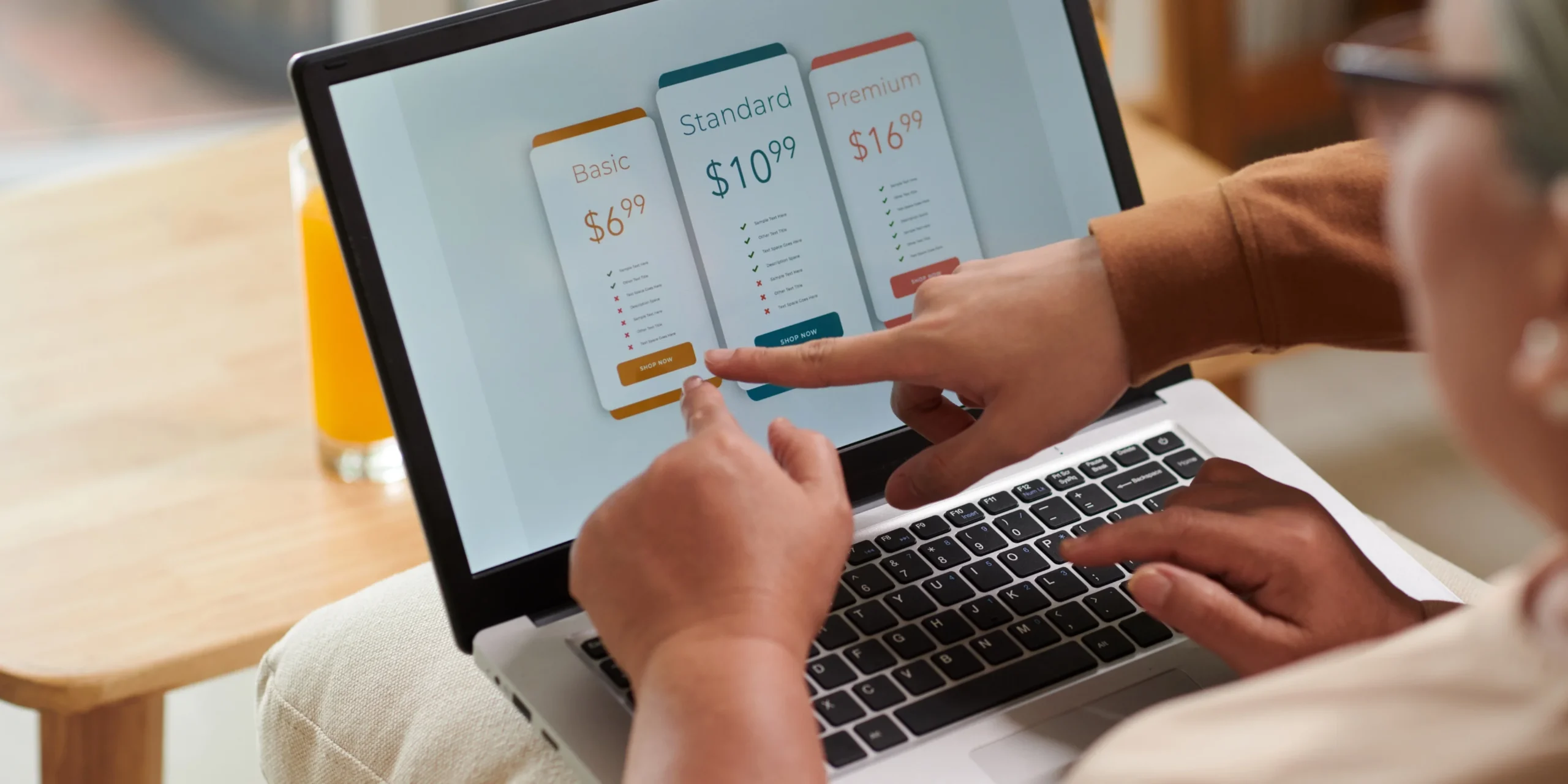
That free trial you signed up for “just to test” but forgot to cancel? That subscription you never use but keep paying for? You’re not careless – you’ve been trapped by design.
We’ve all been there. A tempting free trial offer, a few quick clicks, and immediate access to a service we genuinely wanted to try. But weeks or months later, we notice the recurring charge still hitting our bank account for something we no longer use – or maybe never really did. What feels like personal forgetfulness is actually the result of meticulously engineered business models designed to profit from your inattention.
Welcome to the subscription economy’s dark side: the subscription trap. It’s a multi-billion dollar industry built on the simple insight that it’s easier to charge customers than to deliver lasting value. As consumers now spend an average of $1,092 annually on subscriptions, nearly one in four admit they’re paying for services they don’t use . The question isn’t whether you’ve fallen into these traps, but how many you’re currently in without even realizing.
How Subscription Traps Work: The Anatomy of Entrapment
At its core, a subscription trap is any business model that makes signing up significantly easier than canceling. These practices exploit normal human behavior and cognitive biases to generate revenue from inattention rather than value delivery.
The Free Trial Bait-and-Switch
The most common gateway into subscription traps begins with an appealing free trial. Research shows that 48% of consumers have signed up for a free trial and then forgotten to cancel it, with millennials and Gen Z being the most susceptible at 65% and 59% respectively . The psychology is simple: we significantly underestimate the likelihood we’ll forget to cancel before the trial converts to a paid subscription.
Auto-Renewal Without Consent
Many services automatically enroll users in ongoing subscriptions after trials end, often with minimal notification. According to Citizens Advice, 1 in 5 subscription users have found a subscription auto-renewed without their knowledge, and 1 in 10 are currently paying for subscriptions they don’t use . These unwanted subscriptions cost British consumers alone approximately £500 million annually .
The “Roach Motel” Business Model
This particularly insidious approach, nicknamed for being “easy to get into but hard to get out of,” creates significant friction in the cancellation process . Where signing up might take seconds, cancellation often requires phone calls during business hours, navigating multiple web pages, or enduring retention offers.
Designed to Be Difficult: The “Sludge” Economy
The bureaucratic hurdles and intentional friction that make cancellation difficult have a name: “sludge” . This describes any design element that consciously makes processes like cancellation unnecessarily complicated.
Common Sludge Tactics Include:
- No online cancellation for services signed up for online
- Endless retention offers and “are you sure?” prompts
- Requiring phone calls to numbers with long wait times
- Hidden cancellation links buried in complex menu structures
- Chatbots that can’t process cancellations, creating circular conversations
One analysis found that cancellation processes often involve searching for elusive cancel links, dealing with unhelpful chatbots, being transferred multiple times, calling numbers only to find they’re closed, and scheduling reminders to try again later . This isn’t accidental incompetence – it’s strategic friction.
The Financial Impact: What Subscription Traps Really Cost You
| Financial Impact | Statistics |
|---|---|
| Average monthly spend | $91 per U.S. adult |
| Annual total | $1,092 per person |
| Unused subscriptions | 1 in 10 people pay for unused services |
| Annual cost of unused subscriptions | Over £132 ($165) per person in UK |
| Subscription trap victims | 3.5% of those exposed fall into traps |
| Average trap loss | 115 euros ($125) per victim |
The financial impact extends beyond individual budgets. When companies build business models around trapping rather than serving customers, they create what economists call “market for lemons” scenarios – where bad actors drive out good ones because trapping is more profitable than delivering genuine value.
Fighting Back: How to Escape the Subscription Trap
For Consumers: Practical Escape Routes
- Conduct regular subscription audits: Review bank and credit card statements monthly for recurring charges. One consumer simply created a spreadsheet with all active monthly payments, finding this made identifying unused services straightforward .
- Use virtual credit cards: Services like Privacy.com allow creating merchant-specific card numbers that can be easily canceled without affecting your main accounts.
- Leverage expiration dates: When payment cards expire, many people discover they don’t bother restarting subscriptions with new card details – a natural disruption that reveals which services you truly value .
- Try cancellation apps: Platforms like Subaio can help identify recurring payments and warn users about potential subscription traps .
Regulatory Cavalry Arriving
Recognizing the scale of this problem, regulators are finally taking action:
- California already requires companies offering online sign-up to provide online cancellation .
- The UK’s Digital Markets, Competition & Consumers Bill will ensure consumers can cancel online without “unnecessary or unreasonable steps” .
- The FTC’s “click to cancel” rule in the U.S. will soon require businesses to make cancellation as easy as sign-up .
However, consumer advocates argue these measures don’t go far enough. The UK bill, for instance, still doesn’t give consumers explicit choice about auto-renewal when signing up – a key factor in subscription traps .
The Future: Beyond Traps to Value-Based Subscriptions
The subscription model itself isn’t inherently problematic – when built around delivering ongoing value rather than exploiting inattention. The market is already showing signs of evolution toward more consumer-friendly approaches.
The Rise of Psychological Safety
In 2025, subscription success is increasingly about offering what analysts call “psychological safety” rather than just low prices . Weekly subscriptions now capture 47% of all revenue as users gravitate toward lower-commitment options that feel less risky .
Transparency as Competitive Advantage
Forward-thinking companies are discovering that clear value propositions and easy cancellation can be competitive advantages. The most successful businesses focus on delivering such compelling value that customers want to stay, not exploiting friction to make leaving difficult.
Industry Shift Toward Flexibility
The data reveals a fundamental shift: users increasingly prefer flexibility over savings . This represents a massive opportunity for companies willing to build sustainable relationships rather than clever traps.
The Bottom Line
Subscription traps represent a fundamental breakdown in the implied contract between businesses and consumers – that payment should correspond to value received. While regulators are finally addressing the most egregious practices, the most powerful solution remains consumer awareness and action.
The most telling statistic comes from an ingenious research approach: economists found that when people’s payment cards expired, many didn’t bother restarting subscriptions with new card details . That simple disruption – a forced pause – revealed how many services people didn’t actually miss.
That’s the ultimate test for any subscription: If you had to actively choose to resubscribe today, which services would you keep? Your bank statement likely already has the answer – if you’re willing to look.
Sources & Further Reading:
- Sketchplanations – The Subscription Trap
- Citizens Advice – Subscription Traps: Enough is Enough
- CNET – Subscription Creep Is Real
- Adapty – 2025 Subscription Economy Trends
Read more on Mind Stream Tribune:
Health & Biotech | AI & Technology | Tutorials & Guides





Leave a Reply