

Introduction
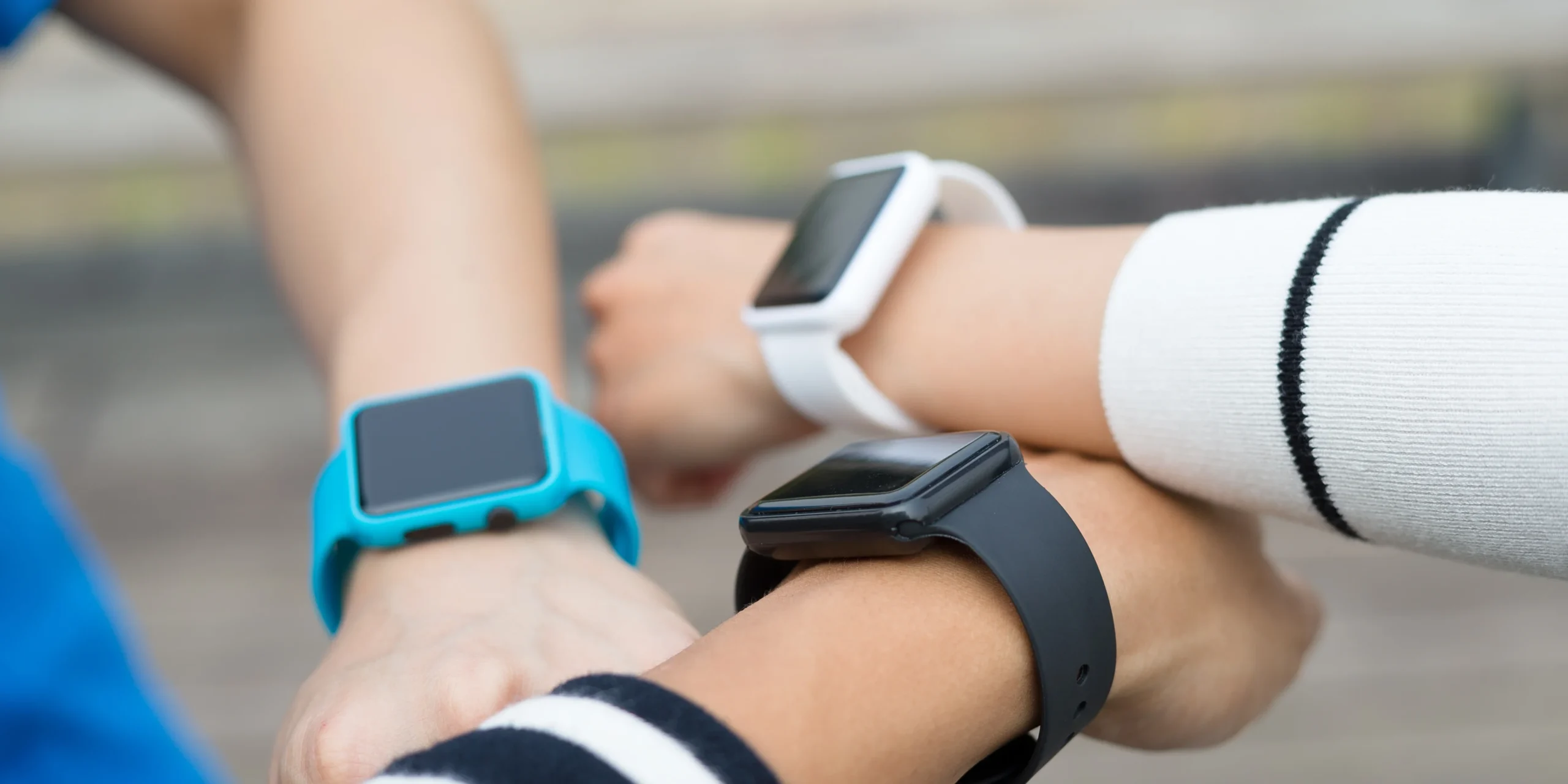
Wearable technology has become one of the fastest-growing intersections of consumer electronics and healthcare. Once limited to step counters and calorie trackers, devices now integrate biosensors, AI-driven insights, and real-time health monitoring. Smart-watches, glucose monitors, and even smart rings are moving from fitness gadgets into tools that can provide clinically relevant data – sometimes even before symptoms appear.
Applications
- Everyday Fitness & Lifestyle: Devices like the Apple Watch and Fitbit still lead in tracking steps, calories, and workouts, but now add sleep and oxygen monitoring.
- Chronic Condition Management: Continuous glucose monitors (CGMs), such as Abbott’s FreeStyle Libre 3, give people with diabetes round-the-clock insights without finger pricks.
- Heart & Stress Detection: New wearables can spot irregular rhythms like atrial fibrillation, while others track stress patterns through heart rate variability.
- Workplace & Insurance Integration: Employers and insurers are increasingly using wearable data for wellness programs and incentives.
Benefits
- Early Detection: Alerts for irregular heartbeats or abnormal glucose levels can help prevent serious health events.
- Empowered Patients: People can take a more active role in monitoring their health.
- Lower Costs: Remote monitoring and early intervention may reduce hospital admissions.
- Big Data Value: The millions of daily data points generated can inform public health trends and clinical research.
Challenges & Ethics
- Data Privacy: Sensitive health information is stored and often shared via apps – raising risks of misuse or breaches.
- Equity Divide: High prices limit access for many, particularly in low-income communities.
- Clinical Accuracy: Consumer wearables are improving, but they’re not always reliable for medical-grade diagnosis.
- Regulation Grey Zone: Many wearables blur the line between consumer electronics and medical devices.
Outlook
The wearable medical device market is projected to surpass $180 billion by 2030 (Grand View Research). Expect closer integration with AI diagnostics, telehealth platforms, and electronic health records. The next phase may bring even less intrusive tech: smart clothing, biosensing patches, and AI-driven predictive alerts for heart disease, stroke, and mental health conditions.
Practical Takeaways
- Consumers: Your fitness tracker may already be capable of more advanced health monitoring than you realize – explore its features.
- Healthcare Providers: Integration of wearable data with patient records could strengthen preventive care.
- Policymakers: Regulations on privacy and data ownership must evolve as wearables become medical-grade.
- Businesses: Employers can use wearables to encourage healthier lifestyles – potentially lowering insurance costs.






Leave a Reply