

Introduction
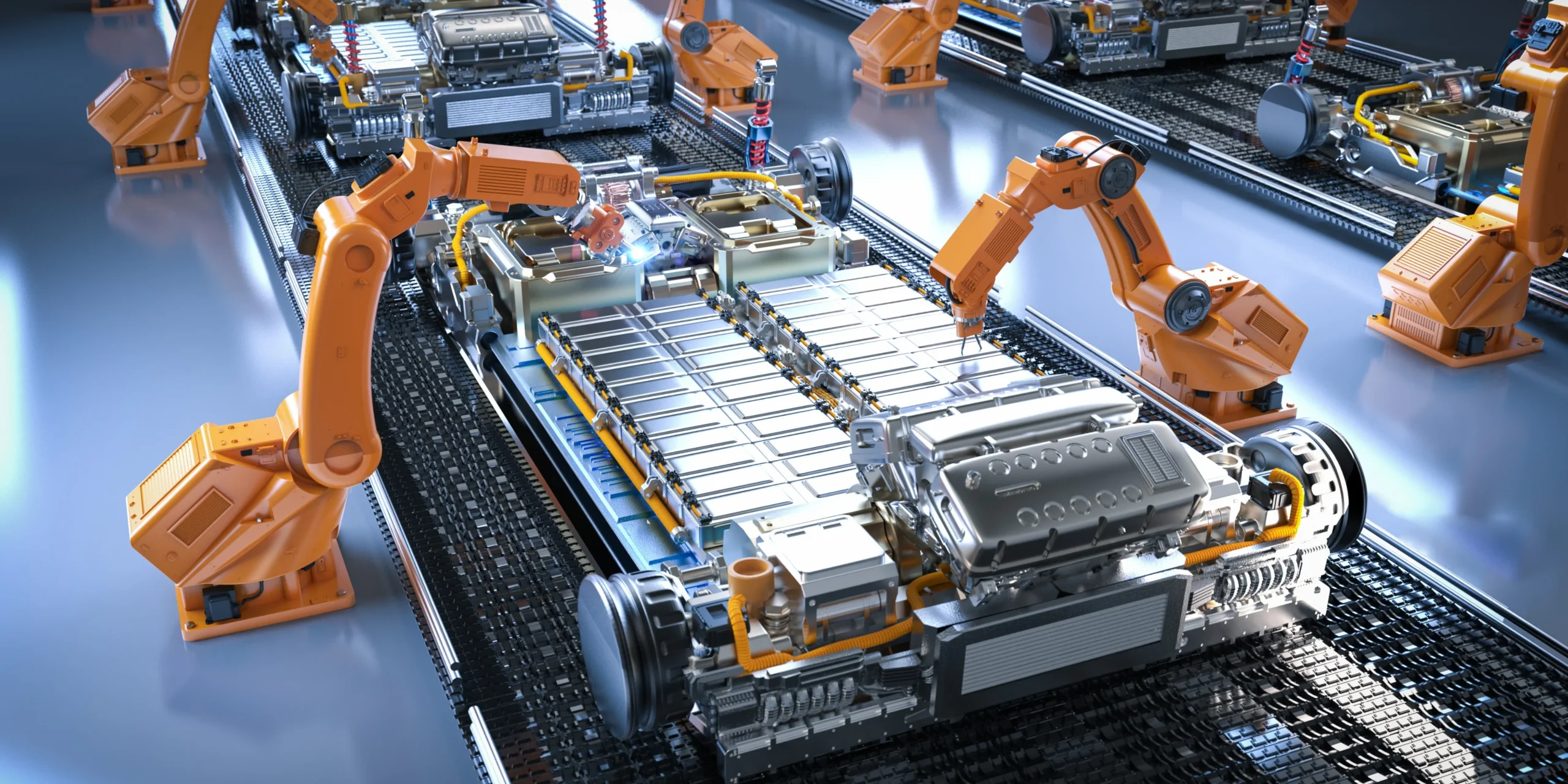
Electric vehicles (EVs) have moved from niche status to mainstream adoption. By 2025, global EV sales are projected to exceed 17 million units – up nearly 20% from 2024 – according to the International Energy Agency (IEA). But behind every EV is a critical component: the battery. Once seen as a bottleneck, battery production has now become a global industrial arms race, with China, the United States, South Korea, and Europe vying for dominance.
This surge has sparked what analysts are calling the “EV Battery Boom” – a seismic shift in how the world thinks about energy, mobility, and industrial competition.
What It Is: The Battery Economy in 2025
At the heart of the EV revolution are lithium-ion batteries, still the standard in 2025. However, rapid research in solid-state batteries promises longer ranges, faster charging, and safer chemistry. Toyota, QuantumScape, and Samsung have all announced promising breakthroughs, though mass production is still years away.
Global demand for batteries is expected to reach 5,500 gigawatt hours (GWh) annually by 2030, nearly triple today’s capacity. This demand is not just about cars – it extends to grid storage, smart devices, and renewable energy stabilization.
The Winners: Who’s Leading the Boom?
- China: By far the dominant force, with over 70% of global battery cell manufacturing capacity. CATL and BYD continue to lead the pack, supplying not only domestic automakers but also Tesla and European brands.
- South Korea & Japan: LG Energy Solution, Samsung SDI, and Panasonic remain competitive, especially in supplying premium EV makers.
- United States: With the Inflation Reduction Act (IRA) incentivizing local production, new gigafactories are under construction by Tesla, Ford, and GM in partnership with suppliers like SK On.
- Europe: Companies like Northvolt are emerging, with EU policies pushing for supply chain sovereignty.
The Losers: Who’s Falling Behind?
While some markets surge, others lag:
- Emerging economies risk being left dependent on imports, lacking local manufacturing bases.
- Automakers without long-term battery partnerships are struggling with costs and supply.
- Traditional energy companies have been slow to pivot from fossil fuels into battery storage solutions, ceding ground to newer players.
Challenges & Bottlenecks
- Raw Materials: Lithium, cobalt, and nickel remain chokepoints. Prices have fluctuated wildly, with lithium costs peaking in 2022 before stabilizing in 2024.
- Environmental Costs: Mining has sparked protests in South America and Africa, where communities bear the brunt of extraction.
- Recycling: Less than 10% of EV batteries worldwide are currently recycled effectively, a major environmental challenge.
What’s Next: The Road Ahead
Looking forward, three trends are likely to define the next phase of the EV battery boom:
- Solid-State Breakthroughs – Expected to reach limited commercial scale around 2027–2028.
- Battery Recycling Industry – Set to grow exponentially as EV fleets age; companies like Redwood Materials and Li-Cycle are leading this charge.
- Energy Geopolitics – Control of supply chains will influence not just automotive industries, but also global power balances.
Practical Takeaways
- Consumers can expect lower EV costs as economies of scale kick in, but supply shortages may still influence availability.
- Policymakers face pressure to balance climate goals with resource ethics.
- Investors are watching battery startups closely – especially those focusing on recycling and alternative chemistries.
Conclusion
The EV battery boom is more than an industrial story – it’s a turning point in the global energy landscape. As automakers, governments, and technology firms converge on this sector, the world is entering a new era of competition that will shape transportation, climate policy, and even geopolitics for decades to come.
Sources
- International Energy Agency (IEA). Global EV Outlook 2024. Link
- Benchmark Mineral Intelligence. Global Battery Supply Chain Data 2024.
- Nature Energy. Recycling bottlenecks in EV batteries. (2023). Link
- U.S. Department of Energy. Inflation Reduction Act Battery Incentives Report. (2024). Link
- Financial Times. Solid-State Battery Investments Accelerate. (2025).

Leave a Reply