

Introduction
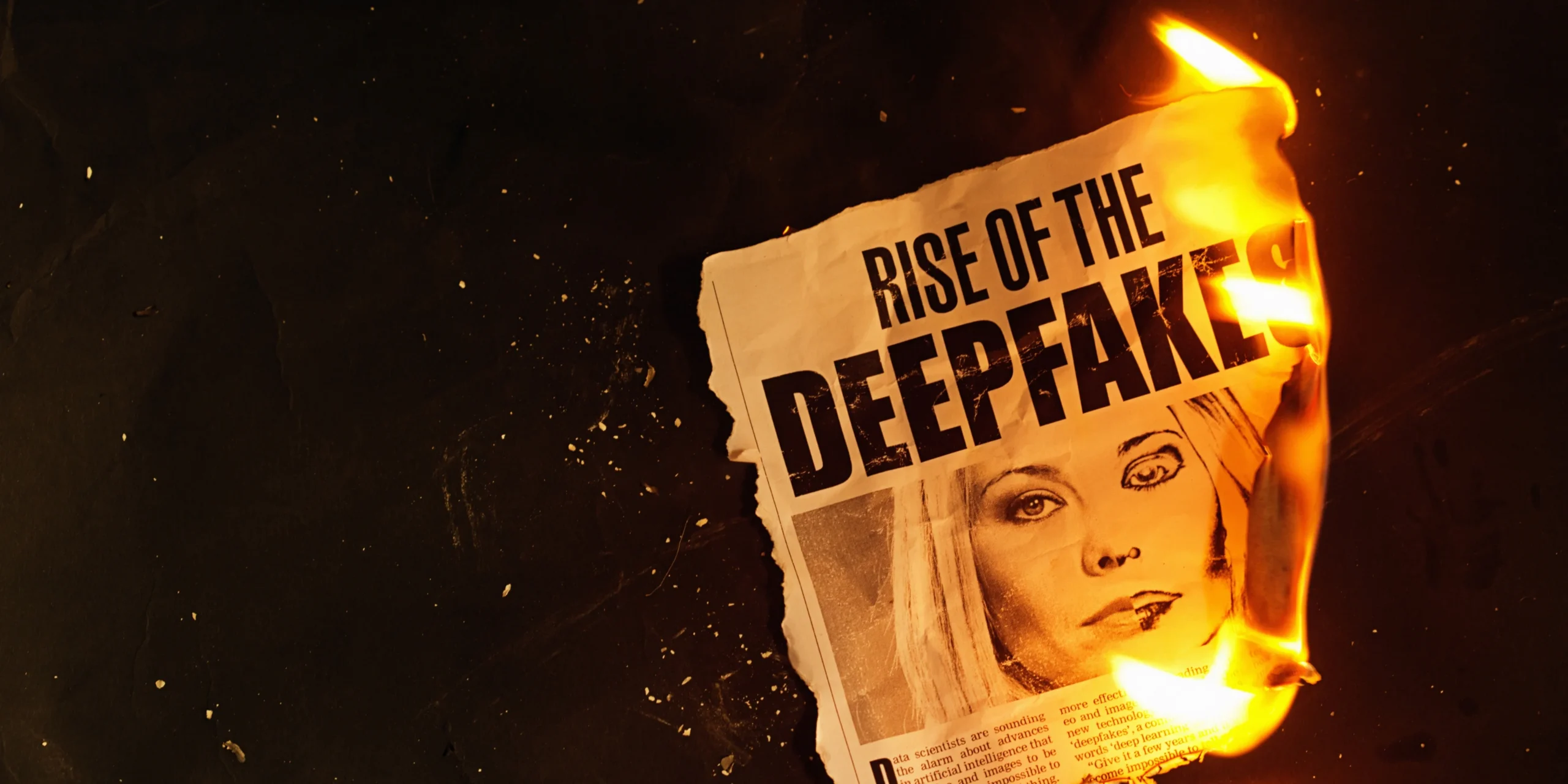
In 2025, synthetic media – images, videos, and voices generated by artificial intelligence – has leapt from experimental labs into mainstream culture. What began as niche entertainment has become a disruptive force shaping politics, journalism, entertainment, and everyday communication. At the heart of the debate lies one question: can truth survive in an era where seeing is no longer believing?
What It Is
Synthetic media refers to content created or manipulated by AI, often using techniques such as generative adversarial networks (GANs) and transformer-based diffusion models. Deepfakes – highly realistic but fabricated videos or audio clips – are the most well-known form. Tools like OpenAI’s Sora and Runway’s Gen-2 have accelerated access, while consumer-grade apps now allow virtually anyone to generate convincing fakes.
Applications
- Entertainment & Film: Hollywood has embraced digital actors, resurrecting deceased performers or creating younger versions of stars. Disney recently used AI de-aging tech in its Marvel productions, saving millions in post-production.
- Education & Training: Synthetic avatars deliver lectures in multiple languages, lowering barriers to global learning.
- Accessibility: AI-generated voices now give speech to those who have lost it, and real-time translation avatars bridge communication gaps.
- Marketing: Brands are experimenting with virtual influencers who can adapt instantly to campaigns and audiences.
Benefits
- Cost Efficiency: A studio can create realistic media without expensive crews or actors.
- Creativity Expansion: Artists use synthetic media to explore new forms of expression, from immersive VR worlds to AI-assisted animation.
- Global Reach: Translation and localization powered by synthetic voices broaden content access across cultures.
Challenges & Ethics
But synthetic media also carries profound risks.
- Disinformation & Elections: In early 2024, deepfake robocalls impersonating President Joe Biden misled voters in New Hampshire, sparking national concern. The U.S. Federal Communications Commission (FCC) has since declared AI-generated voice calls illegal under the Telephone Consumer Protection Act.
- Erosion of Trust: A 2023 MIT study found that AI-generated videos spread six times faster on social media than authentic ones. This acceleration undermines journalistic credibility.
- Consent & Identity Theft: Unauthorized use of celebrity likenesses and revenge porn cases highlight privacy violations. The World Economic Forum listed “synthetic identity risk” among its Top 10 Global Risks 2025.
- Detection Arms Race: Companies like Intel, Microsoft, and DARPA are funding deepfake detection systems, yet many struggle to keep pace with ever-improving generators.
Outlook
Regulators worldwide are scrambling to respond. The EU AI Act, expected to roll out fully by 2026, requires labeling of AI-generated media. In the U.S., states like California and Texas already enforce laws against malicious deepfake use, especially in elections and pornography. Meanwhile, social platforms are experimenting with digital watermarking.
Yet experts warn regulation alone cannot stop the spread. A dual approach – technical safeguards plus media literacy education – is likely to be the most effective defense.
Practical Takeaways
- For Individuals: Always cross-check sensational content with reputable sources. Reverse-image and video search remain useful tools.
- For Businesses: Transparency matters – brands using synthetic media should disclose it openly to avoid reputational backlash.
- For Policymakers: Regulations must balance innovation with protection against misuse, ideally in coordination with international partners.
Conclusion
Synthetic media represents both a technological marvel and a societal stress test. The challenge for the coming decade is not just how to detect fakes but how to preserve trust in information itself. As the tools of creation grow more powerful, so too must our commitment to truth.
Sources & References
- FCC ruling on AI robocalls (January 2024): FCC News Release
- MIT Media Lab study on misinformation spread (2023): MIT Research
- World Economic Forum Global Risks Report 2025: WEF Report
- European Union AI Act progress (2024): EU AI Act

Leave a Reply