

Introduction
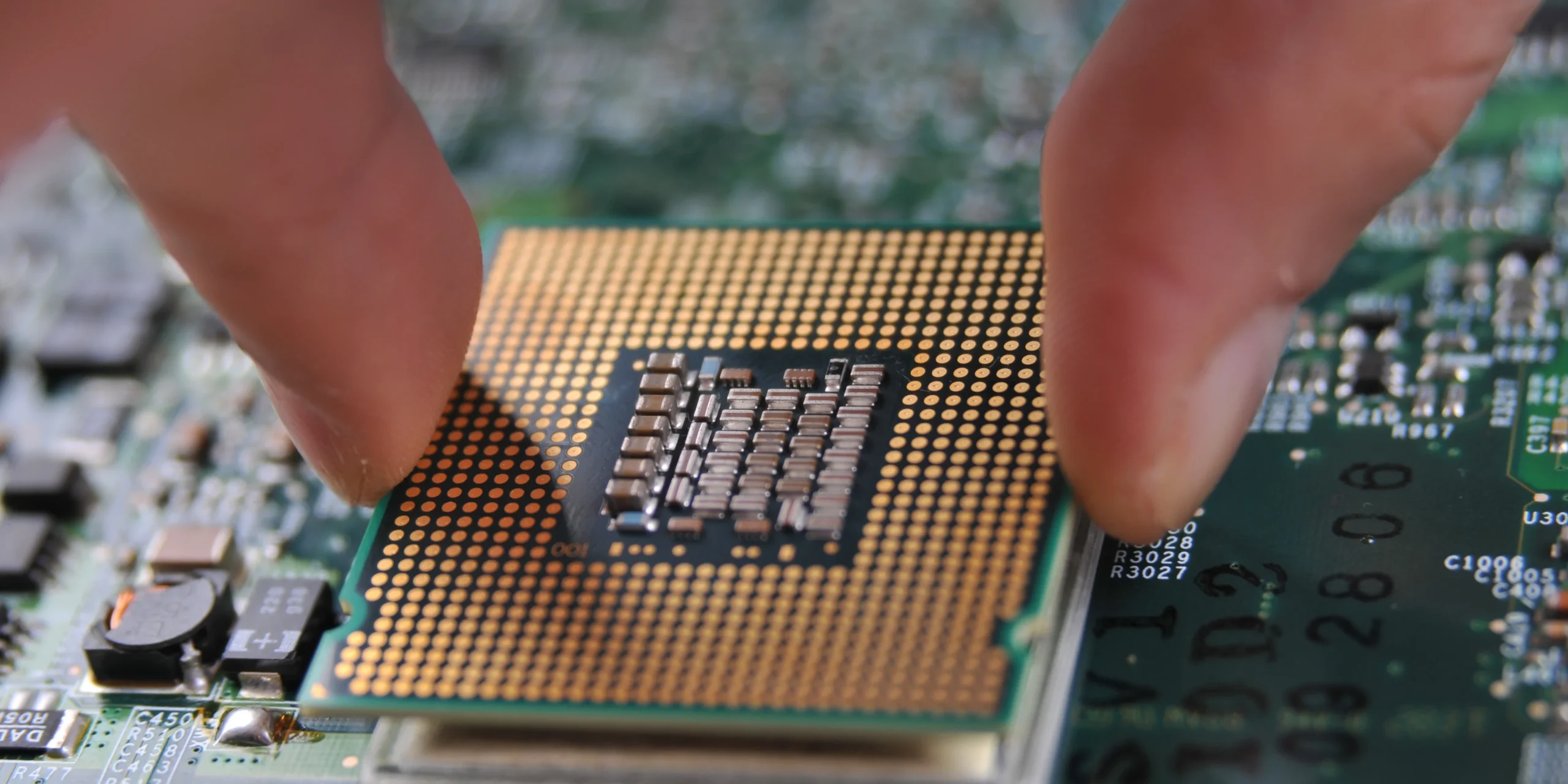
The semiconductor industry sits at the heart of modern life – powering everything from smartphones and cars to artificial intelligence and national defense systems. Between 2020 and 2023, a global chip shortage disrupted supply chains, driving up costs and slowing production across industries. Now, in 2025, the sector is undergoing a transformation, with governments, companies, and researchers investing heavily to ensure that the world never faces a shortage of this scale again.
Applications
Semiconductors underpin nearly every aspect of technology:
- Consumer electronics: Smartphones, laptops, gaming consoles.
- Automotive: Electric vehicles (EVs), autonomous driving systems, and safety features.
- Healthcare: Imaging systems, AI-powered diagnostics, and biotech applications.
- Defense and aerospace: Satellites, missile systems, and secure communications.
- AI & cloud computing: GPUs, TPUs, and advanced chips enabling large-scale AI models.
The expansion of 5G and emerging 6G networks, along with the rise of edge computing and the Internet of Things (IoT), is set to multiply global demand for chips.
Benefits
The post-shortage era has accelerated several key advancements:
- Resilient Supply Chains – The U.S. CHIPS and Science Act (2022) has begun to pay off, with companies like Intel, TSMC, and Samsung expanding fabrication plants (fabs) in the United States. Europe’s Chips Act (2023) mirrors these moves, seeking to double its market share by 2030.
- Technological Innovation – Extreme ultraviolet (EUV) lithography has reached new levels, enabling chips at 2 nanometers and below, vastly improving performance while reducing energy use.
- AI-Driven Chip Design – Companies like Google and NVIDIA are leveraging AI to automate chip layout and testing, cutting development time from years to months.
- Diversification – Beyond Taiwan’s TSMC dominance, new fabs in Arizona, Texas, Germany, and Japan are reducing reliance on a single geographic hub.
Challenges & Ethics
Despite these advances, major challenges remain:
- Cost: Building a single advanced fab can exceed $20 billion, raising concerns about long-term profitability.
- Geopolitics: The U.S.–China rivalry over semiconductor access is intensifying, with export restrictions on advanced chips and manufacturing equipment widening global divides.
- Environmental Impact: Chipmaking is water- and energy-intensive. TSMC alone consumed more than 150,000 tons of water per day in 2023, prompting sustainability questions.
- Talent Shortage: The industry faces a shortage of skilled engineers, particularly in materials science and semiconductor design.
Outlook
By 2030, the semiconductor market is projected to surpass $1 trillion globally (McKinsey, 2022). The industry’s evolution will define the trajectory of artificial intelligence, consumer electronics, and defense technologies for decades.
Expect to see:
- A shift toward regional self-sufficiency, especially in the U.S. and Europe.
- Continued breakthroughs in 3D chip stacking and advanced packaging.
- Growing emphasis on green manufacturing practices, including recycled water and renewable energy.
- The possibility of quantum and neuromorphic chips, opening entirely new computing paradigms.
Practical Takeaways
- For consumers: Device availability is expected to stabilize, with prices leveling after years of volatility.
- For businesses: Supply chain resilience is improving, but reliance on cutting-edge chips means geopolitical risks must still be managed.
- For governments: Semiconductor independence is now considered a matter of national security.
- For workers & students: The demand for semiconductor engineers and technicians is one of the fastest-growing in technology.
Sources & References
- McKinsey & Company, The Semiconductor Decade: A trillion-dollar industry (2022)
- Semiconductor Industry Association (SIA), CHIPS Act Updates (2024)
- ASML, Advances in EUV Lithography (2024)
- Bloomberg, Semiconductor Water Use and Environmental Costs (2023)


Leave a Reply